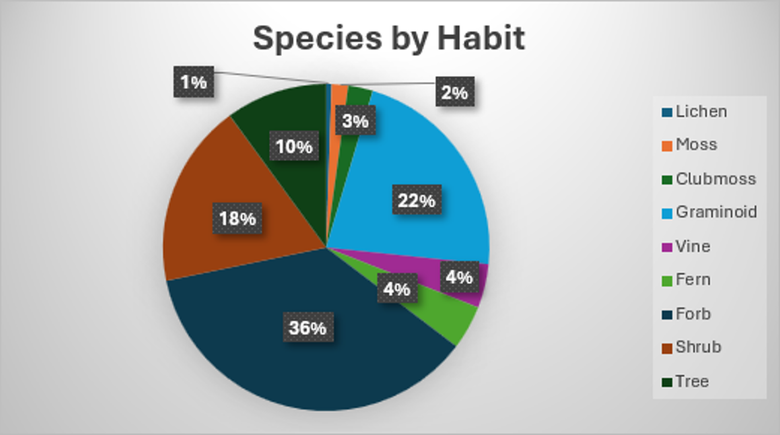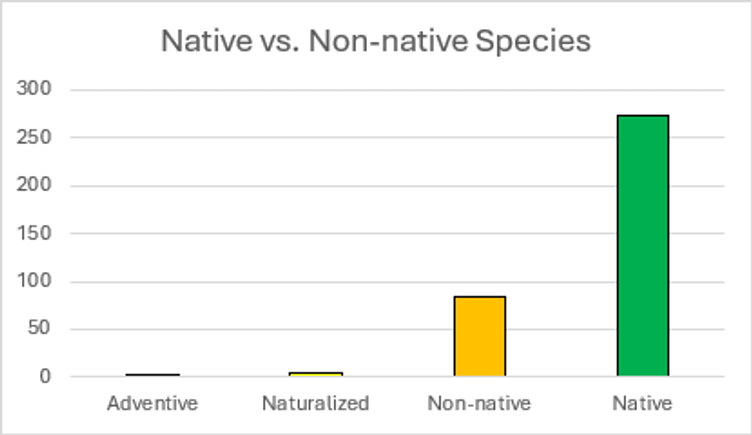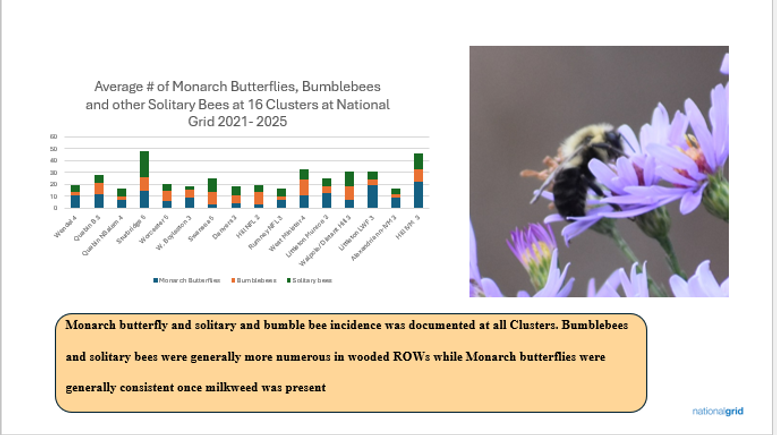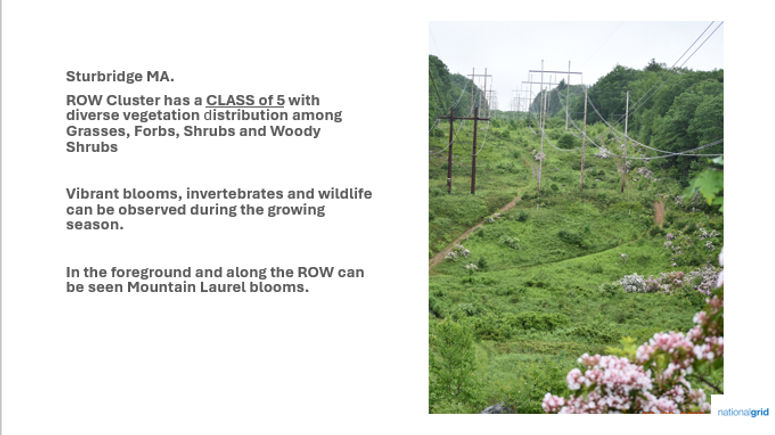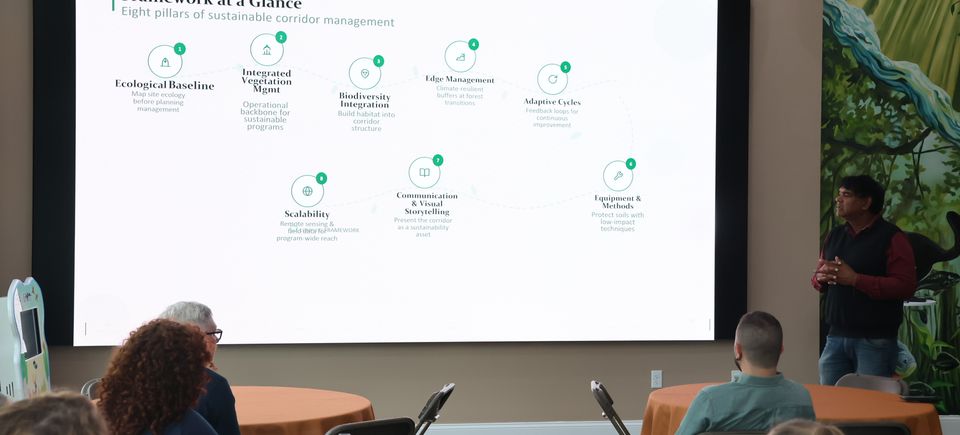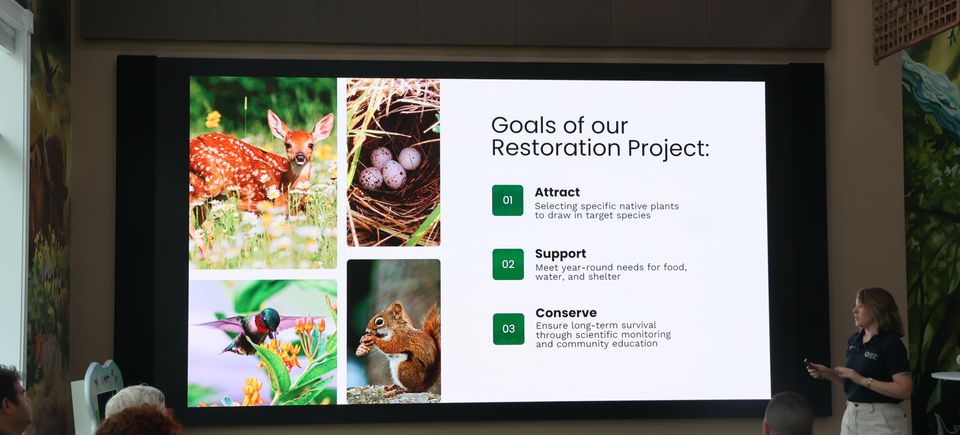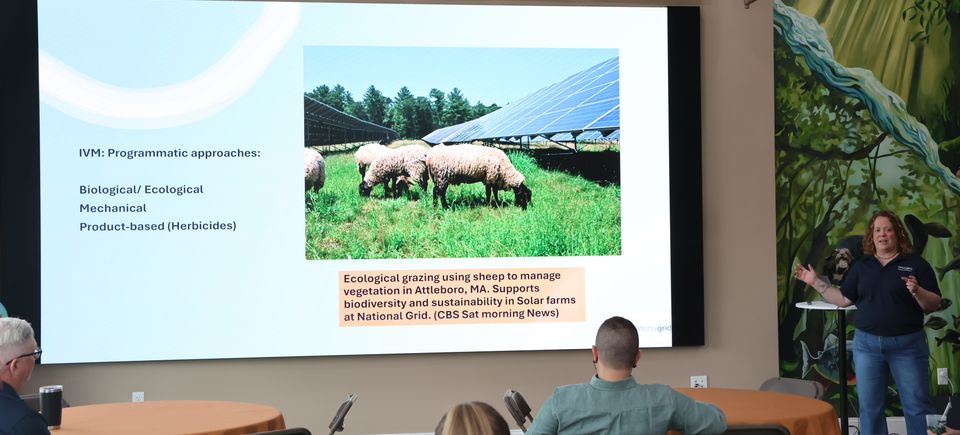
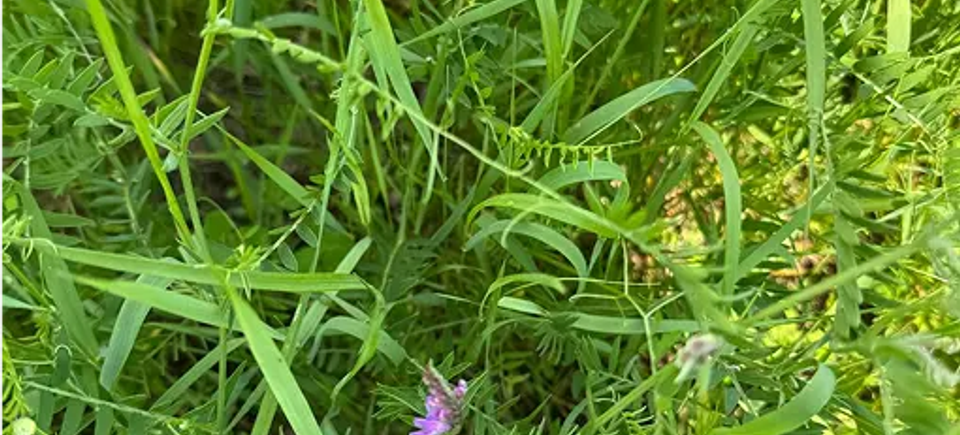
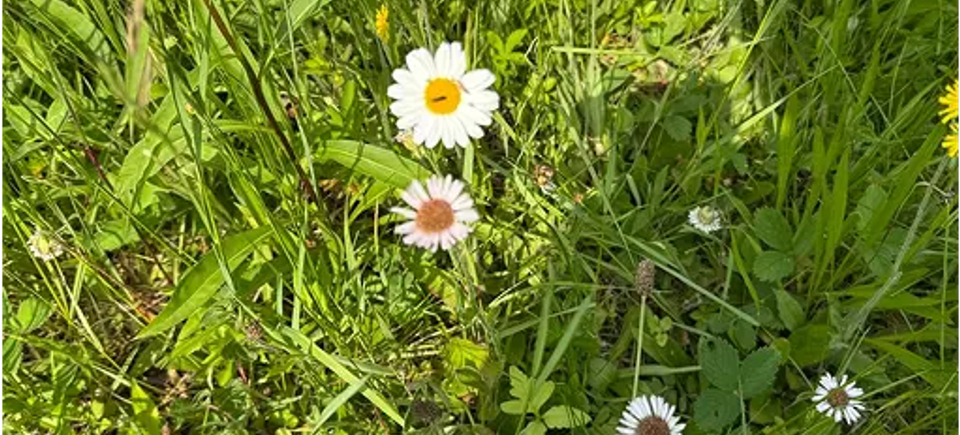
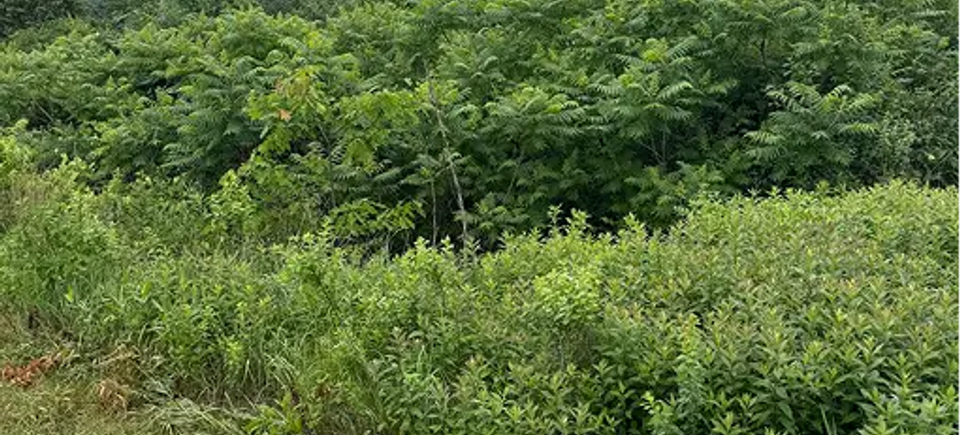
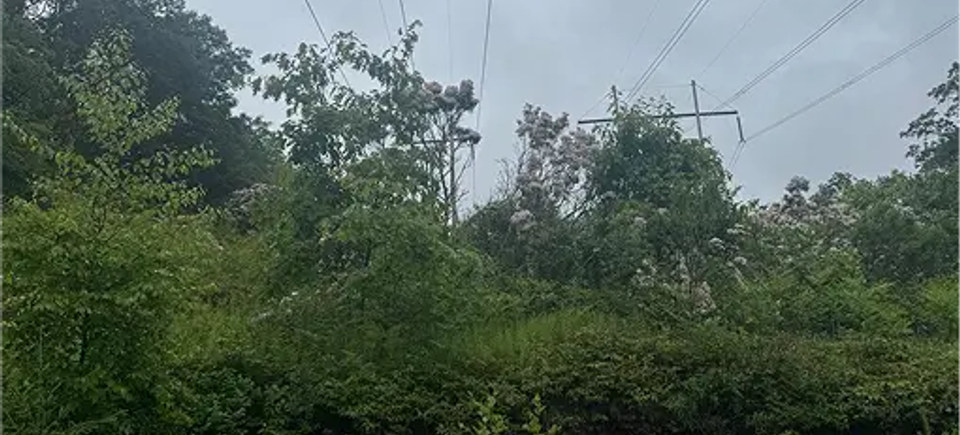
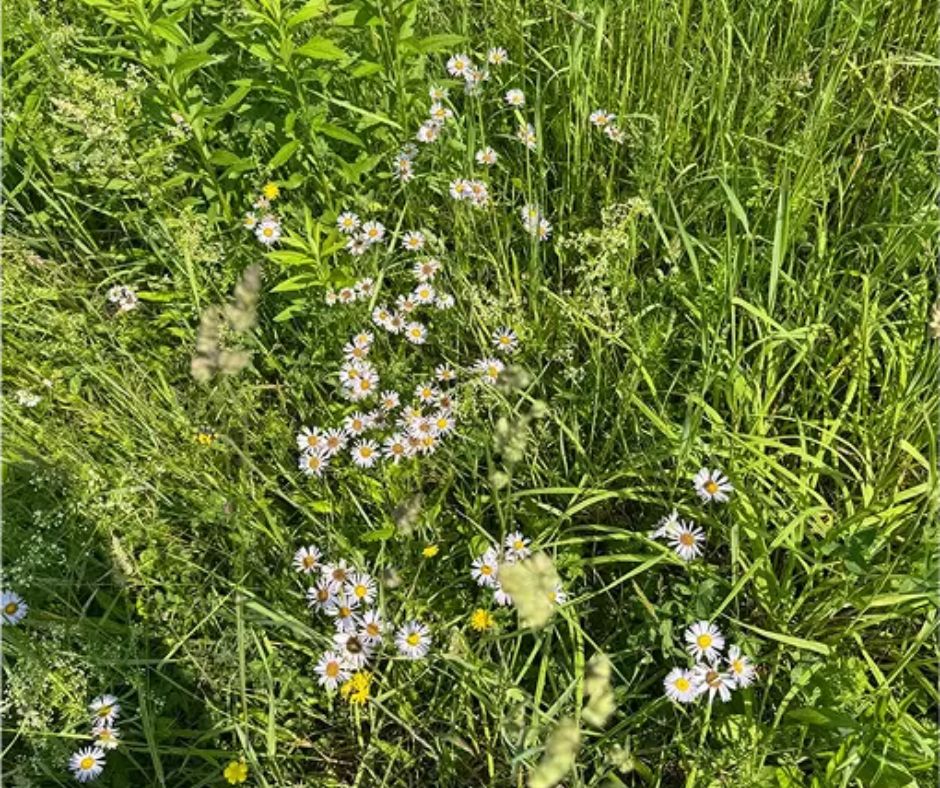

are key in understanding success and identifying challenges. By working on biological audits and better understanding ecological capital and where gains can be made during mainstream programs, we can streamline processes, reduce input and achieve sustainable goals.
start with knowing what is existing and what is to be achieved. The ‘how to get there’ comes with innovative solutions that can not only provide management but be dynamic to additionally incorporate proactive elements aiding in a more sustainable outcome.


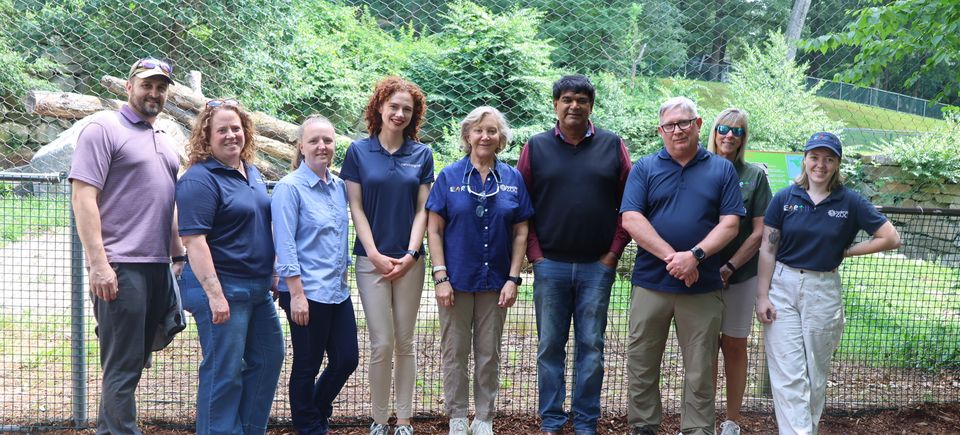
engages area conservation commissions, non-profit environmental agencies, national and regional stakeholders and local entities such as Distant Hill Gardens in Walpole NH, Adirondack Farm, MA, Native plant nurseries etc. as ROW corridors are maintained
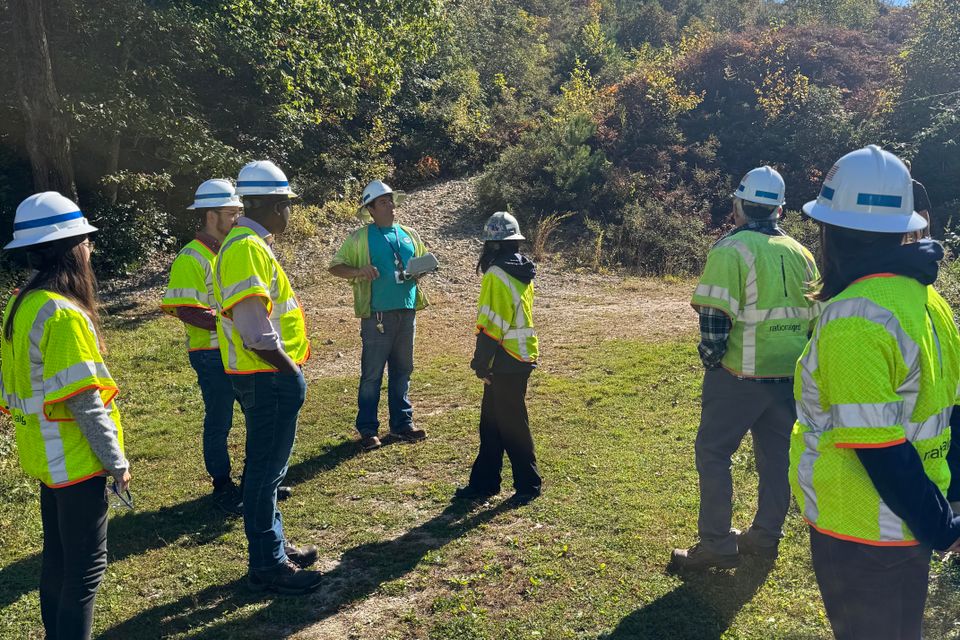
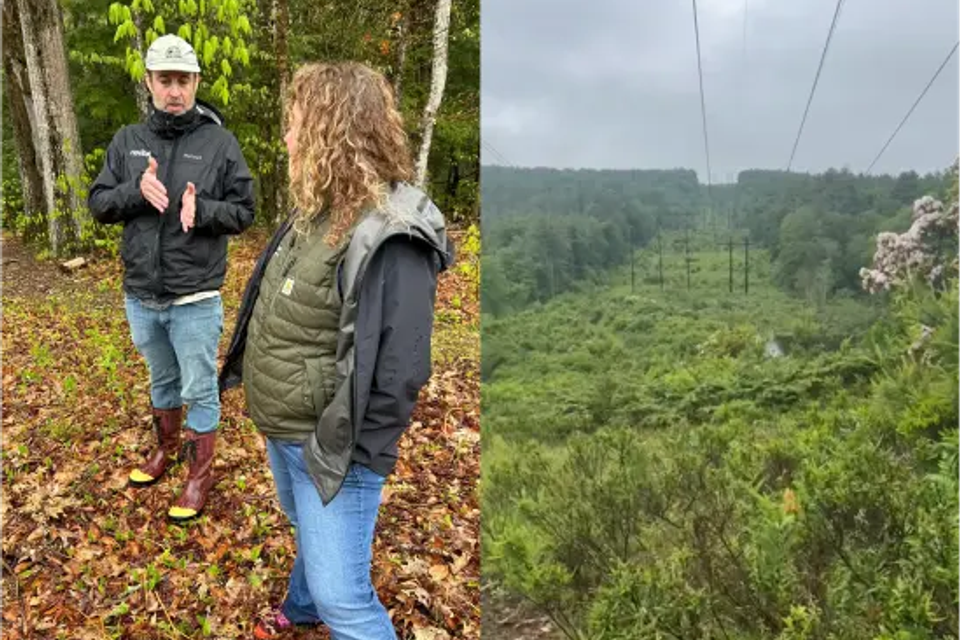
Native Plant Initiatives and rodeo events invite area universities, local non-profits and others to visit a real world ROW site and witness and be able to contribute to pollinator conservation and habitat quality assessments.


Native Bee surveys are important as not much is known about our solitary native bees compared to bumble bees and honeybees.
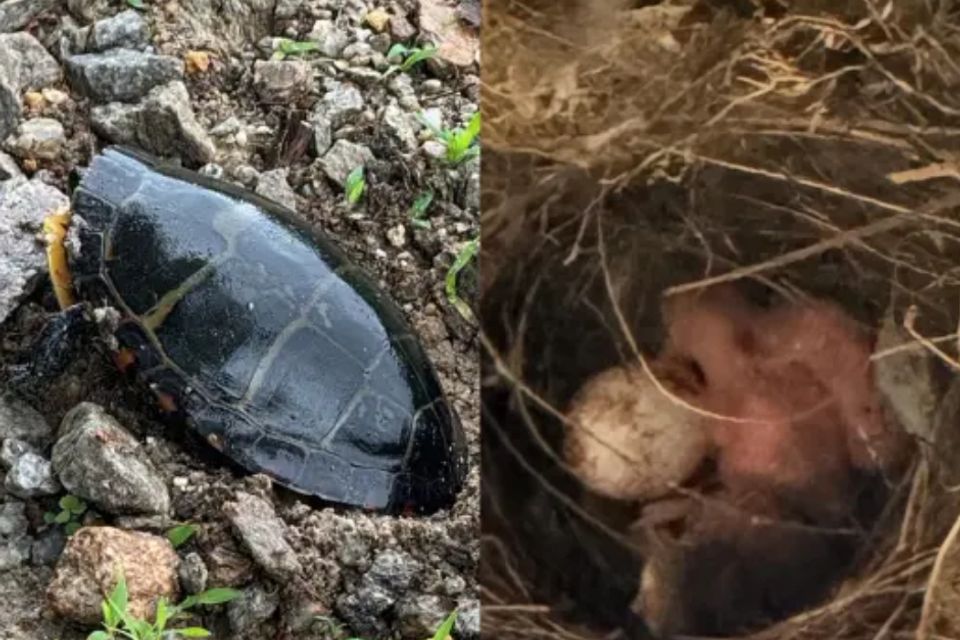
Birds and other organisms, forage and breed in corridors in National Grid’s corridors and avian nesting surveys and foraging observations reveal a wealth of bird life that utilize corridors and benefit from the early successional mixes that occur below wires. Our surveys are conducted in spring and summer and data on migration and localized use indicate that ROW’s are important ‘sponge’ areas that many avian species benefit from for foraging, roosting and nesting.

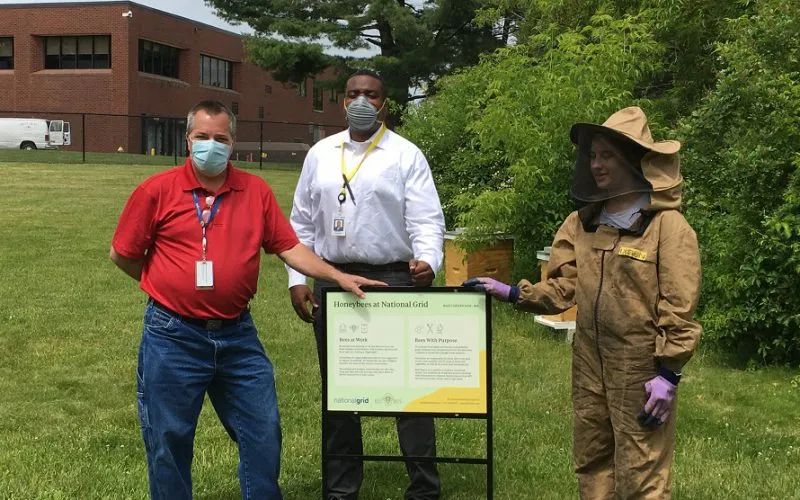
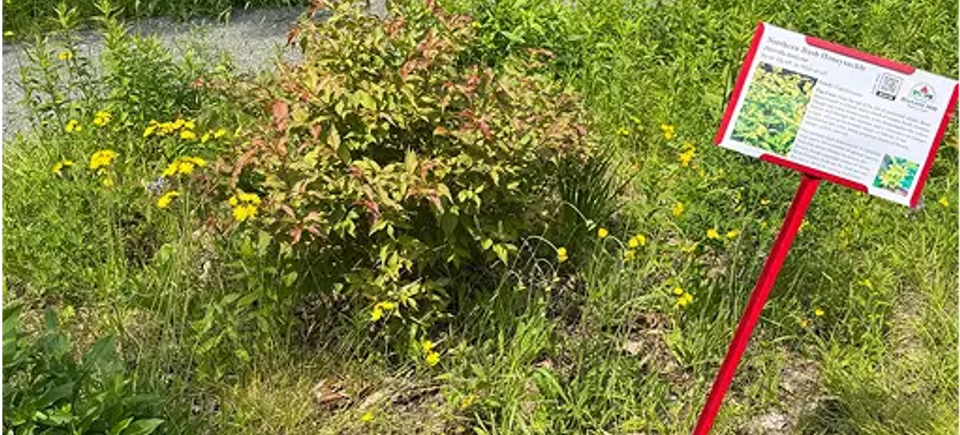
Look for our signs at locations that are part of the biodiversity study. These sites are important and are special grow-out areas that allow for desirable plant communities to flourish.
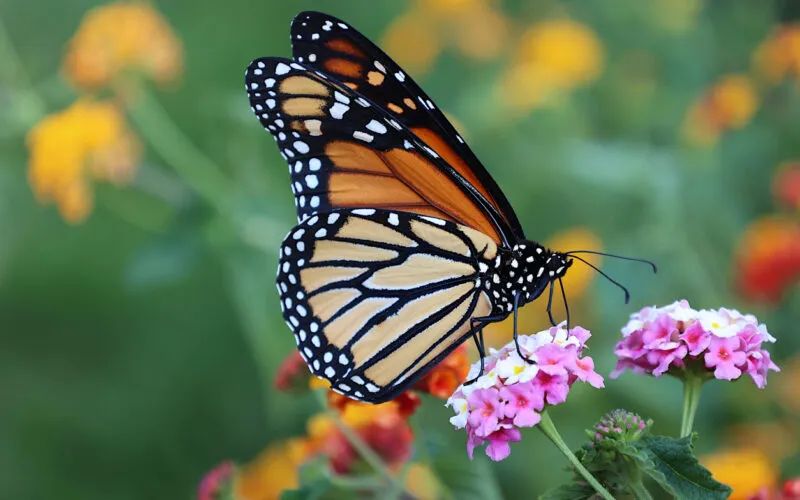
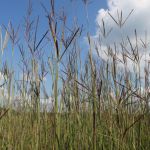
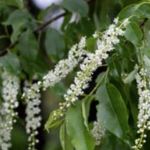
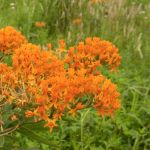
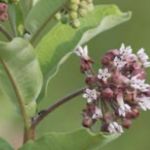
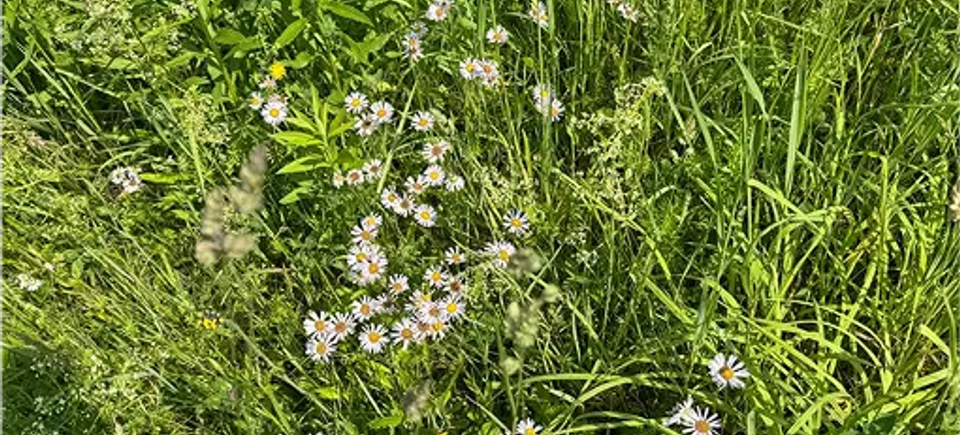
Note that not all pollinator plants bloom — in addition to colorful blooms, our pollinators need refuge and overwintering sites that may be found in grasses, trees, stalks, and snags.
Above all, pass on the message for the conservation of our native plants and insects! Wildlife — and all of us — benefit from working together. If you have any questions, please don't hesitate to reach out.